

Asset Lifecycle Management: Why ROI Breaks Down at Scale
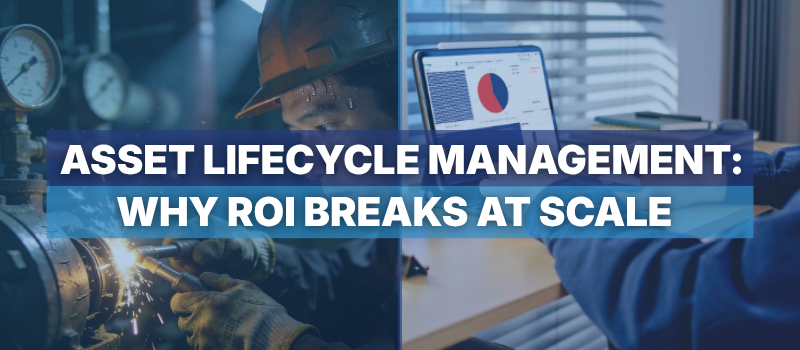
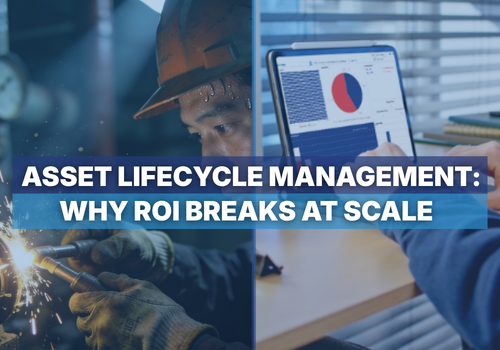
Asset Lifecycle Management: Why ROI Breaks Down at Scale
Asset lifecycle management sounds like a straightforward concept when you’re looking at a single building or a handful of machines. You buy it, you maintain it, it eventually breaks, and you replace it. But when you scale that up to thousands of assets scattered across multiple sites, that “simple” cycle turns into a logistical nightmare.
The reality is that ROI doesn’t usually fail because of one catastrophic event; it leaks. It is a slow drain caused by blind spots, disconnected teams, and systems that do not communicate with one another.
The Theory vs. the Reality Gap
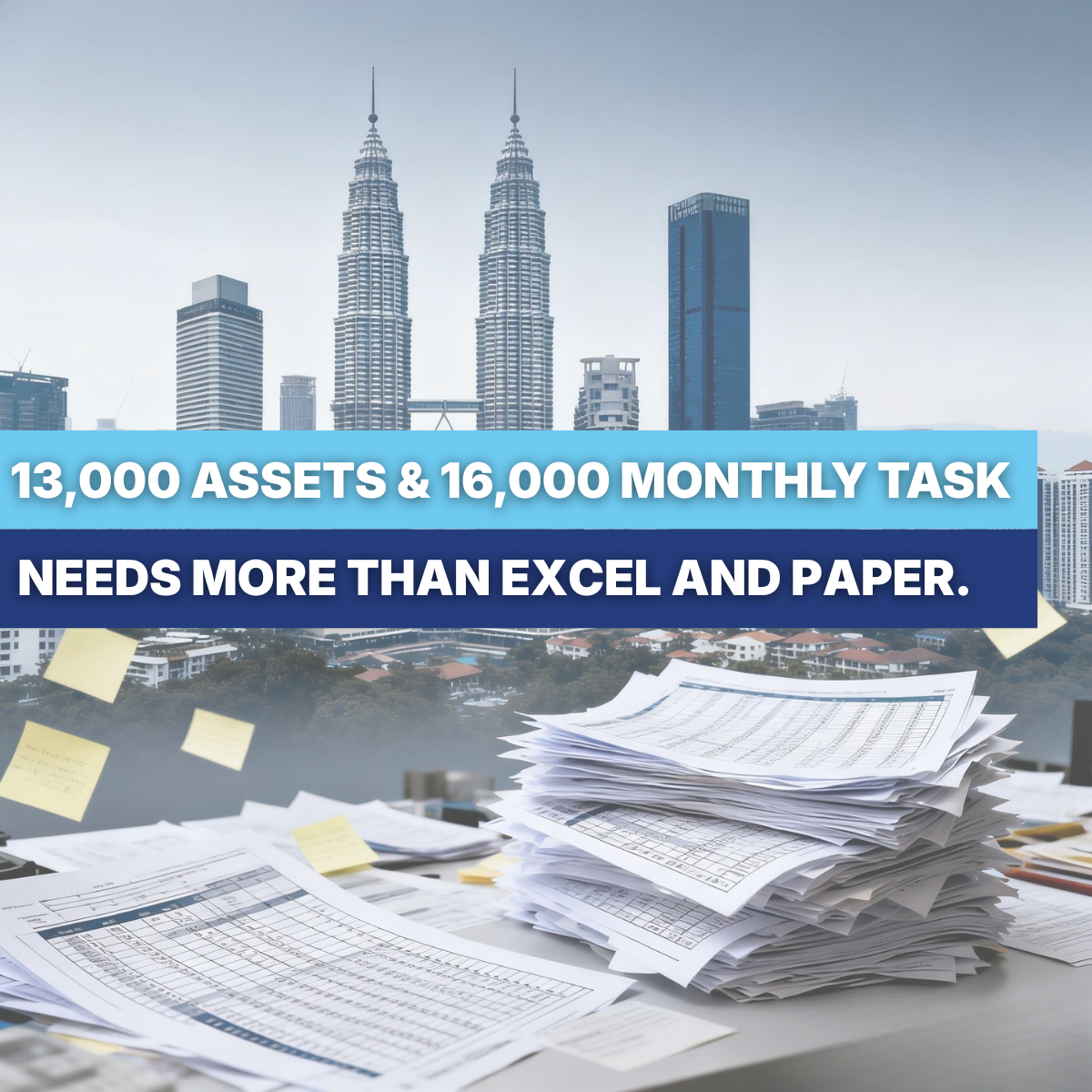
On paper, asset management is a clean, circular process. Textbooks assume you have perfect records and a clear view of what every nut and bolt is costing you. In actual multi-site operations, those assumptions fall apart. You are not looking at a clean database; you are looking at a fragmented mess.
Where the Money Actually Leaks
-
The Fragmented History Trap: Data often lives in three or four places at once, such as outdated spreadsheets, contractor PDFs, or scattered chat groups where operational history slowly goes to die. Teams end up paying for the same “fix” multiple times because nobody realised previous repairs had failed.
-
The Invisible Warranty: Warranty information exists but is not visible to a technician on-site. Teams approve paid repairs for items that should have been free, and by the time Finance verifies the status, the money is already gone.
-
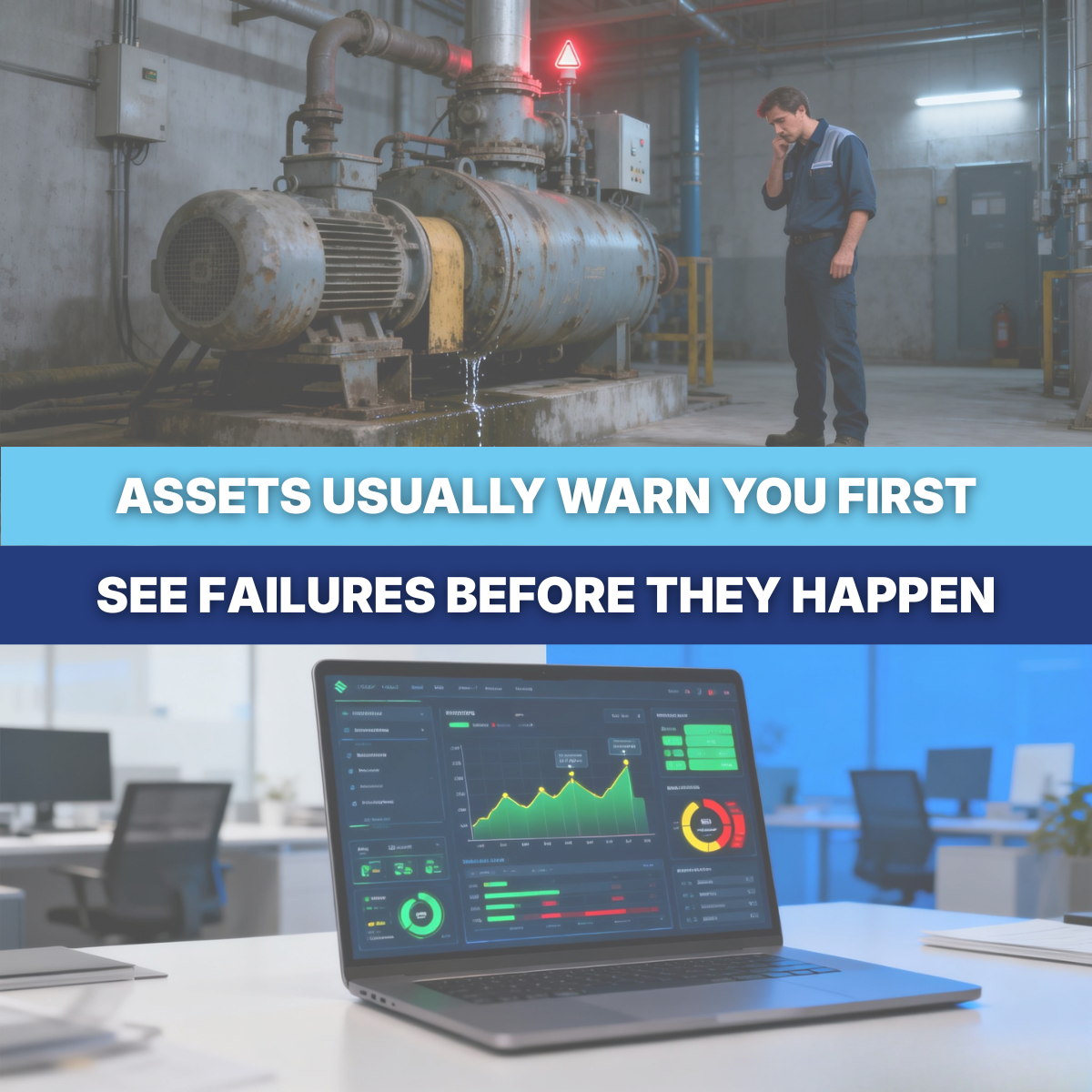
Routine vs. Strategic Maintenance: Many teams follow a rigid schedule that isn’t informed by actual asset condition or failure history. Tasks get marked as ‘complete’, but recurring failures continue because maintenance schedules are disconnected from actual asset conditions.
Real-World Applications: ROI at Scale
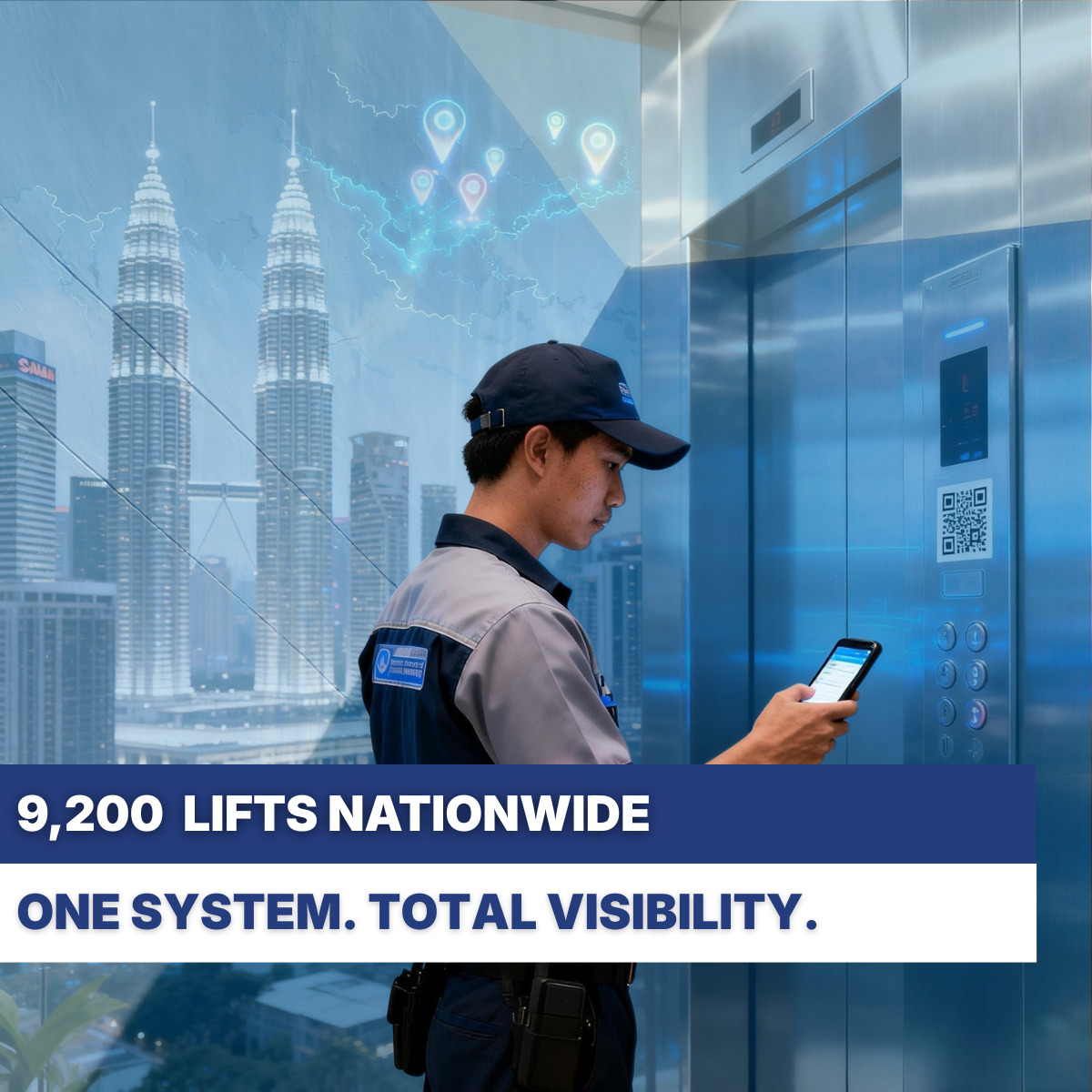
To understand how these “leaks” are plugged in practice, consider these two examples of large-scale operations:
1. Regional Elevator Operator: Tracking 9,200+ Assets
When managing over 9,200 elevators, the sheer variety of vendor reporting and asset requirements becomes overwhelming. For a regional operator of this size, the “Fragmented History Trap” is a daily threat.
By moving from simple tracking to lifecycle control, they implemented:
-
QR Tagging: Technicians scan a code on-site to instantly view every repair completed over the last few years.
-
Warranty Recovery: Centralised warranty visibility helps prevent teams from paying for repairs that should still be covered.
2. Leading Malaysian Property Developer: 13,000+ Group Assets
A major developer managing over 13,000 mixed assets (from water tanks to generator sets), while handling more than 16,000 maintenance work orders every month, faces the “Complexity of Scale”. In this environment, organisations lose “boots on the ground” intuition and must manage through data instead.
By connecting their systems, the developer achieved:
-
Total Cost Visibility: They can track the total cost of ownership, making “repair-versus-replacement” decisions based on data rather than gut feeling.
-
Standardised Reporting: They bridge the gap between different vendor reporting styles to create a single source of truth.
Moving from Tracking to Control
There is a massive difference between tracking assets (keeping a list) and controlling their lifecycle (using data to make hard decisions). When systems are connected, the workflow transforms:
-
On-Site History: Real-time data at the point of repair.
-
Centralised Registers: Knowing the exact model, serial number, and location of every asset.
-
Cost Visibility: Moving from gut feelings to data-driven ROI decisions.
Plugging the Leaks with ServeDeck
Ultimately, you do not recover your ROI by working harder; you recover it by stopping the leaks. AI cannot solve fragmented operations. When maintenance records, warranty information, and asset histories are inconsistent, automation simply scales the inefficiency. You have to get the structure right first.
ServeDeck provides the “single source of truth” needed to record, track, organise, and optimise your infrastructure. By centralising all asset details into one repository, ServeDeck helps ensure that critical information is always accessible through a simple QR scan.
-
All-Inclusive Profiles: Capture everything from photos to operating manuals and warranty certificates in one place.
-
QR Code Efficiency: Technicians can instantly filter outstanding work orders and view asset history while on-site.
-
Comprehensive Reporting: Generate instant breakdown analyses and maintenance cost reports to support data-driven procurement and valuation.
-
Maximised Lifespan: Use historical data to shift from reactive fixes to proactive maintenance strategies that extend the life of your investments.
Clean data and connected workflows aren’t just “nice to have”; they are the only way to stay in control when you are operating at scale.
Key Takeaways
-
ROI losses in commercial buildings often come from operational leakage such as repeated repairs, fragmented records, and poor warranty visibility.
-
Asset lifecycle management only becomes valuable when teams can connect maintenance history, cost data, and asset visibility into a single workflow.
-
Clean and centralised asset data help building owners and JMBs reduce maintenance waste, improve operational control, and make better long-term asset decisions.
SHARE THIS POST:
Comments (0)
Leave a Reply
Your email address will not be published. Required fields are marked *